Our stress response evolved for short, sudden danger. When our ancestors encountered a predator, a rush of cortisol and adrenaline sent blood to the muscles, sharpened focus, released stored energy and put “non-essential” functions like digestion and reproduction on hold.
Today, the triggers look very different: an upsetting post on social media, traffic, rushing to school pickup, a tough conversation. None of these are life-threatening, but our bodies respond in much the same way, often many times a day.
What chronic stress does
Normally, cortisol rises soon after you wake to help you start your day, gradually falls, and stays low at night so you can sleep. With chronic stress, cortisol can stay elevated or lose its natural rhythm, which can lead to night waking and sleep that doesn't feel restful.
Belly fat and insulin resistance
Elevated cortisol promotes fat storage, especially visceral fat around the midsection. This fat is metabolically active and releases inflammatory signals.
“Inflammaging”
Chronic stress fuels low-grade inflammation, which contributes to insulin resistance and many of the chronic diseases we're trying to prevent.
More infections
Chronic stress weakens immune defenses, making you more prone to respiratory viruses and other infections.
Memory and focus
Chronic stress causes measurable changes in the brain, especially in areas that govern memory and emotional regulation.
Tools to calm your stress response
Lasting change often involves deeper work, like how we structure and prioritize our time, our relationships and mindset, and sometimes therapy. That work matters, but it takes time. In the meantime, quick, body-based tools can remind your nervous system that it's safe.
Breathwork
Even two minutes of slow breathing can shift your body out of “fight or flight” and into “rest and digest.” Try a 5-5-5 breath (in for 5, hold for 5, out for 5), or simply in for 4, out for 6. A longer exhale activates the vagus nerve and calms your stress response. Over time, studies show improvements in blood pressure and sleep.
Time outdoors
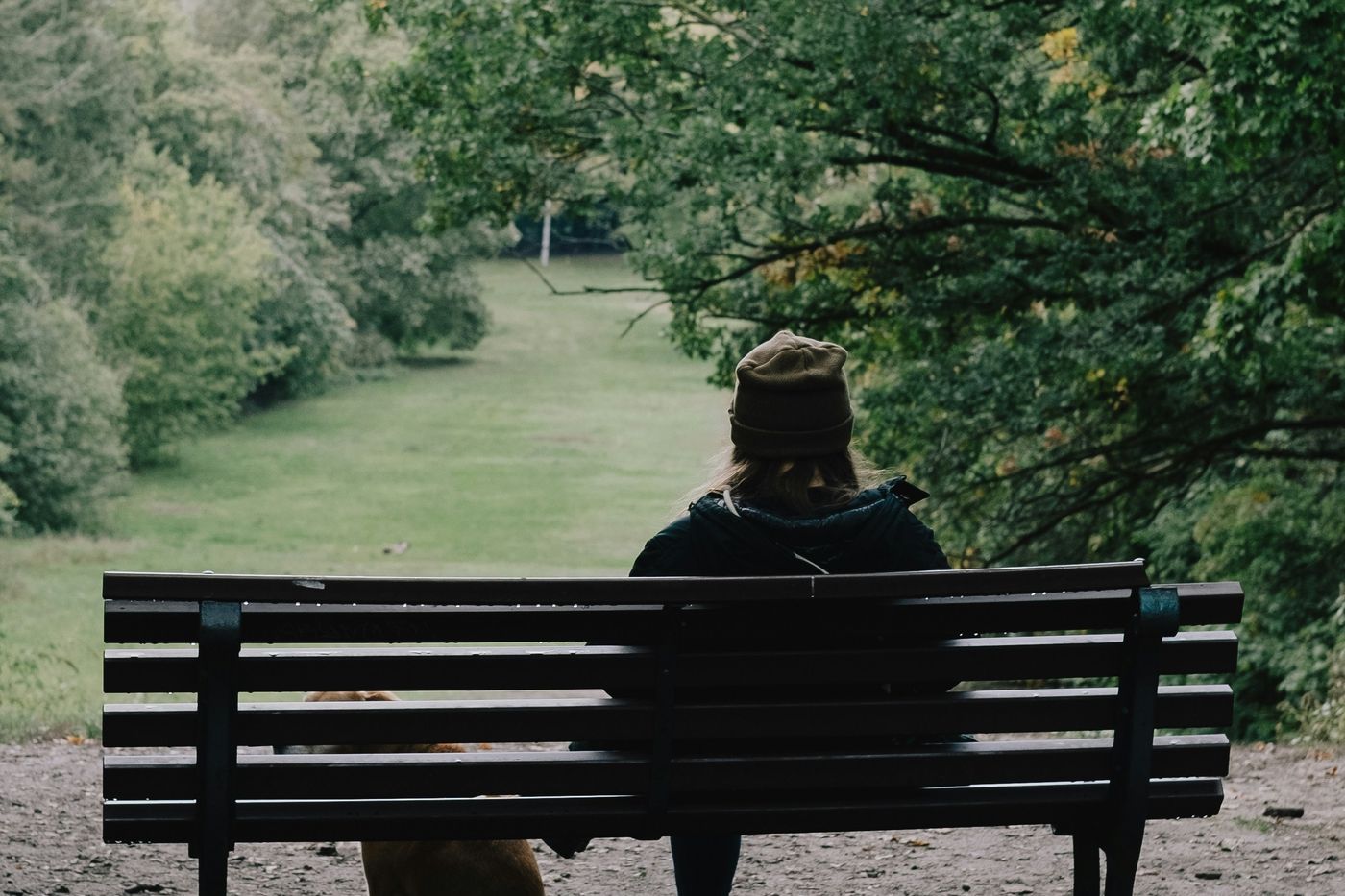
About 20 minutes of unstructured time outside, without your phone, can significantly lower cortisol. Research on “forest bathing” in Japan suggests that airborne compounds released by trees may support immune function and reduce stress hormones.
Grounding
Standing barefoot on grass can also help, using physical sensation to bring a busy mind back to the present.
Kirtan Kriya
My personal favorite is Kirtan Kriya, a 12-minute seated meditation from the Kundalini yoga tradition. It coordinates a simple chant (Sa Ta Na Ma) with finger movements and breath. In a randomized trial of adults with early memory concerns, 12 weeks of daily practice improved memory, sleep and mood.
I especially like it for people with busy minds, since coordinating sound and touch leaves less room for spiraling thoughts. And remember, there's no wrong way to meditate; wandering thoughts are simply part of the process.
A note on its history: Kirtan Kriya was popularized in the West by Yogi Bhajan, whose conduct I don't support in any way. The practice itself, and the research behind it, still hold value.
Good stress: hormesis
We also need some stress. Hormesis is the concept that a small, controlled stressor, followed by recovery, makes your body, and especially your mitochondria, stronger. Too little stress and muscles weaken; too much leads to injury or burnout. The right amount, with time to recover in between, helps your body adapt and become more resilient.
Sauna
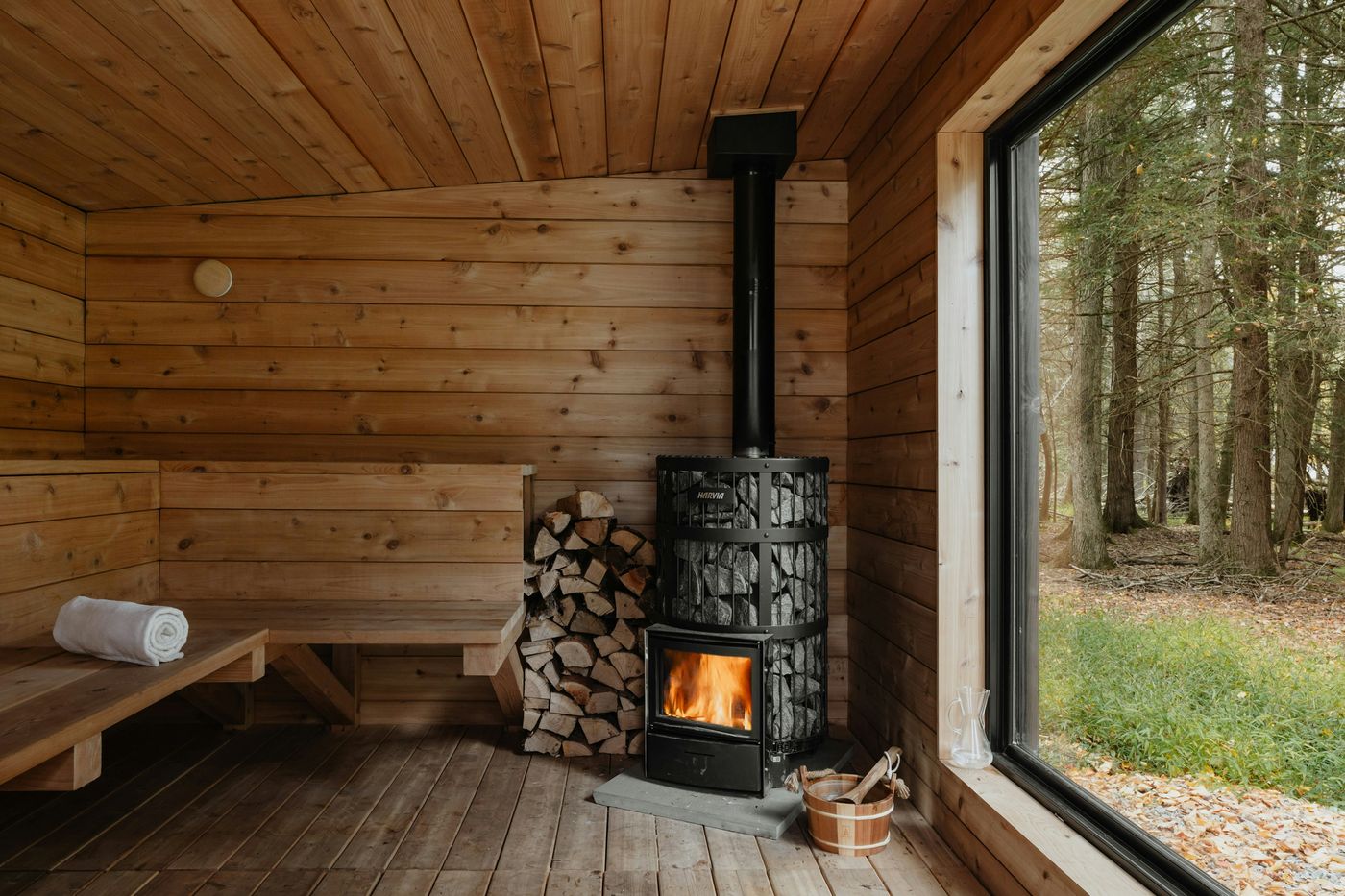
In long-term Finnish research, 15 to 20 minutes in a dry sauna four or more times a week was linked to about 40% lower risk of death from any cause and 50% lower cardiovascular mortality. Two to three sessions a week still showed benefit.
Cold exposure
Cold-water immersion can speed recovery after exercise, and early research suggests benefits for mood and alertness. Avoid it right after strength training, since it can blunt muscle gains; it's less of a concern after Zone 2 cardio.
Short, hard efforts
High-intensity intervals and uphill sprints trigger the growth of new mitochondria and improve your cells' energy production.
Where to start
Don't add everything at once. Start with one calming practice, like two minutes of 4-6 breathing before bed, and gradually increase the time as it becomes routine. For sauna, cold or intense exercise, add one at a time, giving your body two to three months to adapt to each. The Longevity 101 check-in may help you decide whether stress is the right pillar to focus on first.
References
- Franceschi C, et al. Inflammaging: a new immune–metabolic viewpoint for age-related diseases. Nature Reviews Endocrinology. 2018.
- Cohen S, Tyrrell DA, Smith AP. Psychological stress and susceptibility to the common cold. New England Journal of Medicine. 1991.
- Zaccaro A, et al. How breath-control can change your life: a systematic review on psycho-physiological correlates of slow breathing. Frontiers in Human Neuroscience. 2018.
- Hunter MR, Gillespie BW, Chen SY. Urban nature experiences reduce stress in the context of daily life based on salivary biomarkers. Frontiers in Psychology. 2019.
- Li Q. Effect of forest bathing trips on human immune function. Environmental Health and Preventive Medicine. 2010.
- Goyal M, et al. Meditation programs for psychological stress and well-being: a systematic review and meta-analysis. JAMA Internal Medicine. 2014.
- Khalsa DS. Stress, meditation, and Alzheimer's disease prevention: where the evidence stands. Journal of Alzheimer's Disease. 2015.
- Innes KE, et al. Meditation and music improve memory and cognitive function in adults with subjective cognitive decline: a pilot randomized controlled trial. Journal of Alzheimer's Disease. 2017.
- Laukkanen T, et al. Association between sauna bathing and fatal cardiovascular and all-cause mortality events. JAMA Internal Medicine. 2015.
- Laukkanen JA, Laukkanen T, Kunutsor SK. Cardiovascular and other health benefits of sauna bathing: a review of the evidence. Mayo Clinic Proceedings. 2018.
- Roberts LA, et al. Post-exercise cold water immersion attenuates acute anabolic signalling and long-term adaptations in muscle to strength training. Journal of Physiology. 2015.
- MacInnis MJ, Gibala MJ. Physiological adaptations to interval training and the role of exercise intensity. Journal of Physiology. 2017.
This article is for general education and isn't a substitute for personal medical advice. Please talk with your own clinician before changing your medications, supplements, diet or exercise routine.